
Recent Posts
Managing University Anxiety: A Student’s Guide to Mental Health Support in Nottingham
Starting university in Nottingham can be an exciting new life. Whether you’re studying at the University of Nottingham, Nottingham Trent University,
September 17, 2026, 11:51 am
The Black Sheep
Have you ever been called the black sheep? I certainly have, but what does it mean and what is its impact?
The black sheep is usually the one person that does not fit in the family dynamics, the odd one, the peculiar one, the weirdo, the...
September 14, 2026, 4:21 pm
A Counsellor’s Response to Channel 4’s The Great ADHD Myth?
I didn’t want to write another blog about ADHD so soon after my last one, but the Channel 4 documentary -
August 28, 2026, 2:29 pm
In my practice I see many more women than men, those I do see are often ‘sent’ by a partner or parent for therapy that they then resist. It’s not because men don’t feel pain, stress, anxiety, or grief. It’s because something gets in the way—and often, that something is shame.
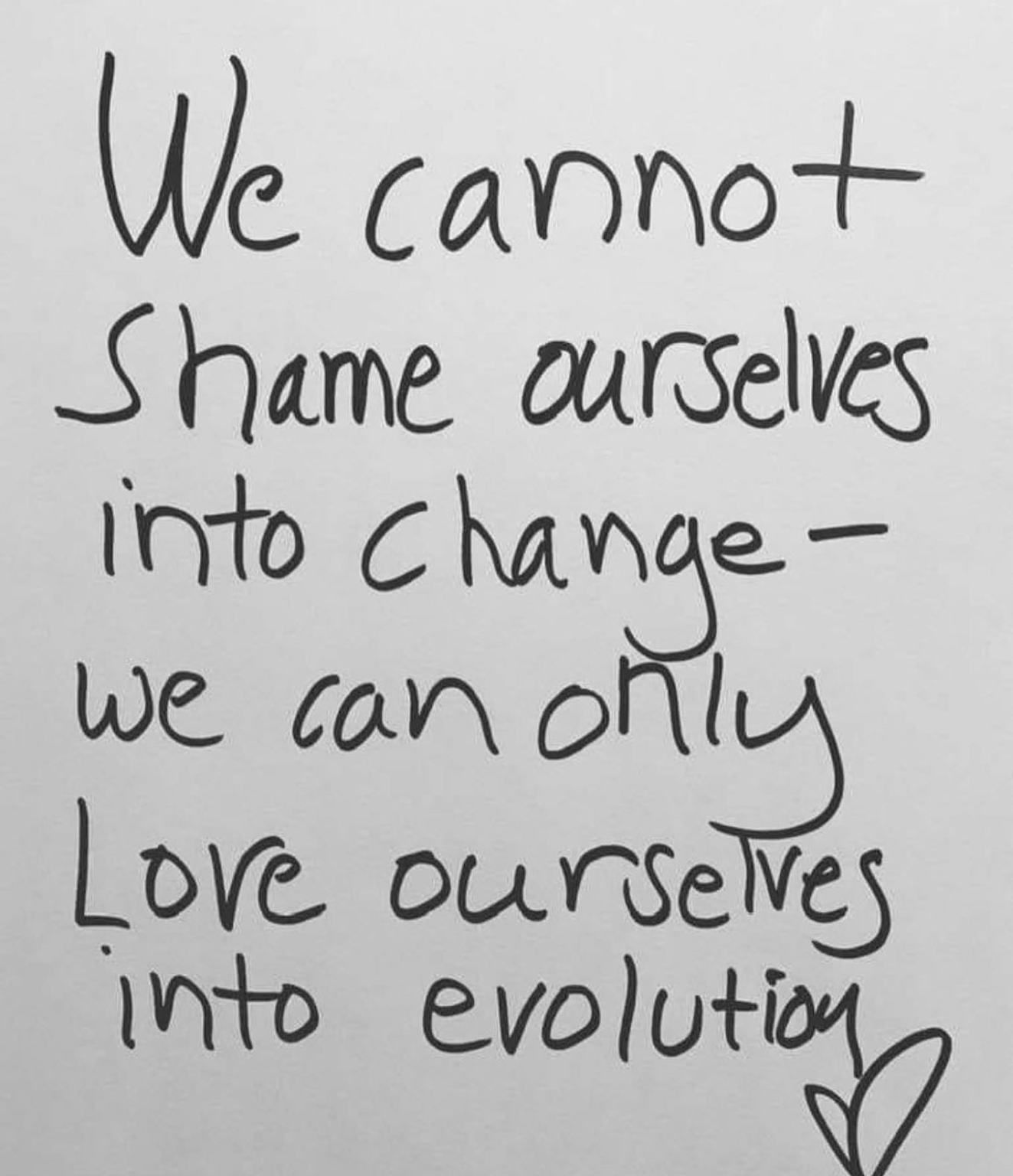
Shame is often referred to as the master emotion; it hides behind other emotions and has a bodily impact on us. Its powerful because it doesn’t say I made a mistake it says I am the mistake. There is something wrong with me, you should be able to cope and so on.
And for many men, the idea of needing help—especially emotional or psychological help—can feel like proof of that fear.
The Weight of Expectations
From an early age, boys are often taught—directly or indirectly—to be tough, independent, and in control. Phrases like “man up,” “don’t cry,” or “handle it yourself” don’t just disappear in adulthood they intensify and become rules and beliefs to live by.
Therapy asks for openness, vulnerability, and honesty about pain. The rules and beliefs men have feel violated even at the thought of therapy. Strength for men is sold as self-reliance especially in out mano-sphere and incel influenced culture, therapy is weakness even when it’s the opposite.
The Fear of Exposure
Shame thrives and grows in secrecy if left alone it can become crippling and limit our belief in ourselves. Therapy requires the opposite: saying things that may have been buried for years. For many men, this can feel like stepping into a spotlight with all their perceived flaws on display and so exposed it feels raw.
Judgement for men can feel really frightening, not just by the therapist or others but by themselves. How to cope with the feelings that have been supressed? What if there’s is something uncovered that feels overwhelming
That level of risk and exposure can be just too scary and so men chose to man up and stay silent.
I Should Be Able to Fix This
Shame says men should be able to solve all issues by themselves, whether that is work, stress, relationships even depression. It becomes something to fix rather than an experience to be explored and understood.
When self-solutions don’t work, shame deepens: “Why can’t I handle this?” That question doesn’t always lead to seeking help. Instead, it often leads to withdrawal, distraction, denial, anger or self-medication – drugs, alcohol, gambling etc.
How Shame Keeps the Cycle Going
The cruel irony is that shame not only prevents men from seeking therapy—it also feeds the very struggles therapy could help with. Isolation increases. Emotional pressure builds. Coping mechanisms become less healthy.
And because many men don’t see others openly talking about therapy, it reinforces the idea that they’re alone in feeling this way.
Changing the Narrative
Breaking this cycle doesn’t require men to suddenly become different. It requires looking at strength differently -
Strength means facing uncomfortable truths.
Strength means asking for help.
Strength means choosing growth over silence.
And the most difficult one
Strength means being vulnerable
Take a look at Brene Brown’s work on shame
The more conversations that happen—among friends, in media, in everyday life—the more therapy becomes normalized. When men see other men speaking openly about their mental health, it chips away at the stigma.
A Different Way Forward
Therapy isn’t about admitting failure its about understanding yourself, looking at your life, getting perspective and undoing those beliefs that do not serve you. Living then with intention, clarity and honesty.
For many men, the hardest part isn’t the therapy itself—it’s getting through the door the first time.
Shame says, shut up, who do you think you are vs growth that says give it a go
The first step is the hardest and worth taking your time over to find the right therapist. Men's Counselling Services is worth checking out too.