
Recent Posts
What Is Relational Therapy?
Relationships are an important part of being human. The way we connect with other people can influence how we see ourselves, how we respond to situations, how we regulate our nervous system and how we cope when life feels difficult.
...October 5, 2026, 4:22 pm
Managing University Anxiety: A Student’s Guide to Mental Health Support in Nottingham
Starting university in Nottingham can be an exciting new life. Whether you’re studying at the University of Nottingham, Nottingham Trent University,
September 17, 2026, 11:51 am
The Black Sheep
Have you ever been called the black sheep? I certainly have, but what does it mean and what is its impact?
The black sheep is usually the one person that does not fit in the family dynamics, the odd one, the peculiar one, the weirdo, the...
September 14, 2026, 4:21 pm
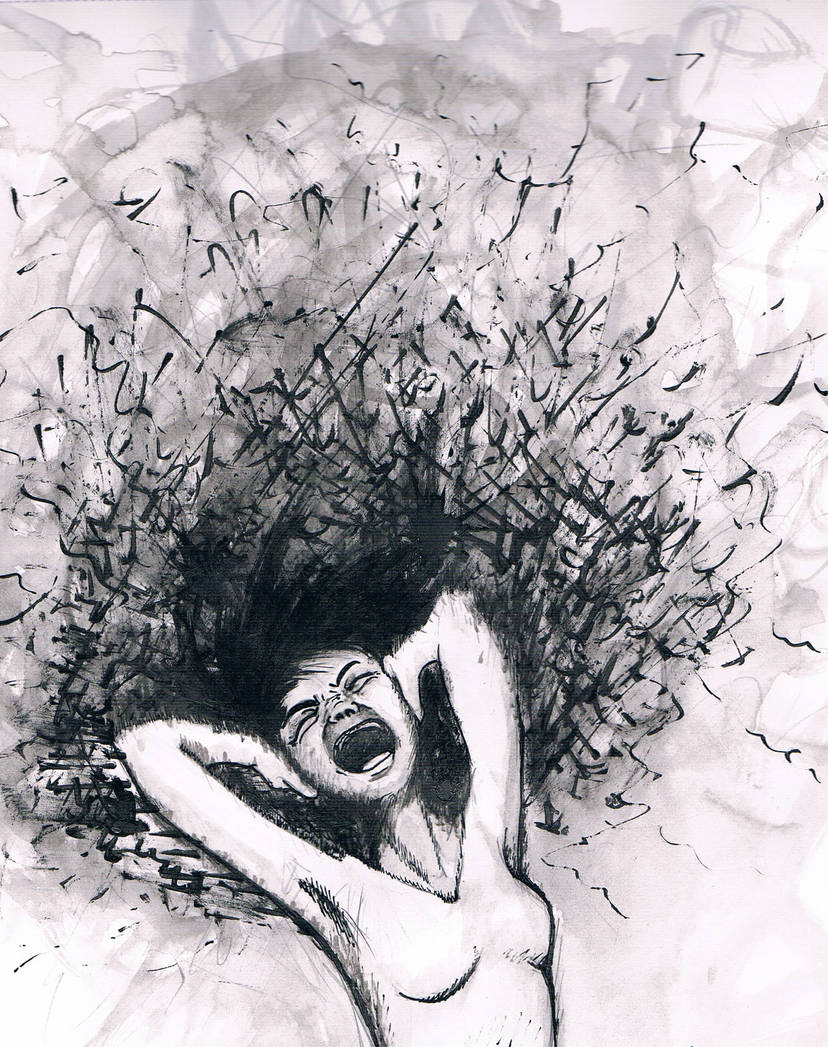
Picture by Yondoloki @deviant art
For a lot of us, Christmas was supposed to be a reset, a rest and just a break from the stress of life. But here we are a month later feeling just as bad as we did before. Why? We may not be overwhelmed but we often find ourselves in “whelm”, which is that point where we are living at our maximum capacity. At “whelm” we are constantly in our sympathetic nervous system, and fight or flight is always on.
Our bodies are always ready, our pupils are constantly dilated, we don’t have enough saliva, our lungs are dilated, our heart beat is increased, our stomach inhibited and our urination constricted. All our organs are pulled closer together as the body tenses and the brain is not working fully. This is a state that we should only be in for maybe 30 minutes until the danger has passed. But the danger now lives in our head.
Burnout happens when we don’t resolve the danger and we are tipped over from “whelm” to overwhelm. The rest required to recover gets longer and longer. Of course we beat ourselves up because we aren’t recovering, or we were okay for the first week of January, we are then back in the same place that we were in December.
Burnout has distinct stages - stress, chronic stress, burn out and habitual burnout. The last three stages are the point at which we are permanently in fight and flight.
In chronic stress we are so tired that we procrastinate, are resentful, withdrawn, apathetic, cynical, feel threatened and pressured, and so we self medicate with our drug of choice, food wine, drugs etc
In burnout we are obsessed or pessimistic and the physical symptoms like IBS are in full flow. We are full of self doubt, feel isolated, neglect ourselves, want to escape and feel exhausted. We are looking at being “whelmed” every day.
Habitual burnout is simply chronic sadness, mental fatigue, physical fatigue and depression. Your brain and body cannot do this anymore. We will become ill somehow as well as having all these chronic conditions. Our body will put us down.
There are many reasons we hit burnout. Work, poverty, discrimination family, relationships and bereavement are all prime examples of external stressors . But there are internal factors that will always lead to burnout no matter what the external factors are. These include taking on more than we can reasonably do, shaming ourselves and dwelling on any mistake, letting others dictate what’s best for us, perfectionism, putting others first, limited connections with other people (working from home is big factor here), and a strong need for external validation.
So, we need to do something as soon as we hit chronic stress. Try renegotiating workloads, looking at work at home, relationships and reconnecting with people. Most of all talk about how we feel with friend, family or a therapist. Your response to life isn’t lazy, weak or whatever shame word you use - it’s normal.
And cut the critic because a week off at Christmas isn’t enough for so many of us.
Dr Dina Globerman’s book the Joy of Burnout is a really good look at how burn out impacts and changes our lives.