
Recent Posts
Managing University Anxiety: A Student’s Guide to Mental Health Support in Nottingham
Starting university in Nottingham can be an exciting new life. Whether you’re studying at the University of Nottingham, Nottingham Trent University,
September 17, 2026, 11:51 am
The Black Sheep
Have you ever been called the black sheep? I certainly have, but what does it mean and what is its impact?
The black sheep is usually the one person that does not fit in the family dynamics, the odd one, the peculiar one, the weirdo, the...
September 14, 2026, 4:21 pm
A Counsellor’s Response to Channel 4’s The Great ADHD Myth?
I didn’t want to write another blog about ADHD so soon after my last one, but the Channel 4 documentary -
August 28, 2026, 2:29 pm
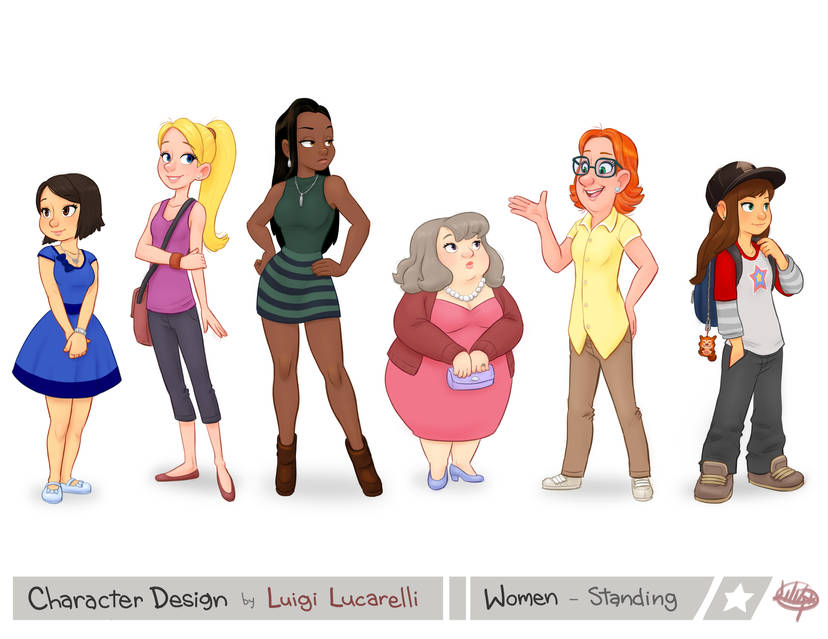
Picture by LugiL – Deviant art
I had the pleasure of watching Dr Louise Newsome on stage talking about the impact of hormonal imbalance at the Theatre Royal in Nottingham. My friend nudged me at one point to comment that the slide being presented was me – ADHD, IBS, Fibromyalgia, Menopause, as annoying as that was, she was right.
Dr Newsome went on to look at all the mental health issues that can be treated or managed by the correct hormones, and it was mind blowing.
For women mental health diagnoses are usually based on symptoms like anxiety, depression, irritability, fatigue, mood swings, brain fog, or difficulty concentrating. Rarely looking at the biggest impact on women’s health mental and physical – hormones. Sadly, the Victorian (and before) attitude about women’s mental health still prevails in some spaces, hysteria was once a common medical diagnosis for women. It was diagnosed for a whole host of female issues including anxiety, fainting, nervousness, sexual desire, insomnia, irritability PMT etc. And even though it can’t be diagnosed now its can be “just part of being a woman”.
Hormones such as estradiol, progesterone, and testosterone are not just reproductive chemicals. They play critical roles in brain function, mood regulation, memory, motivation, energy levels, stress response, and emotional resilience. Many of my assumed female at birth clients talk about being fobbed off with anti-depressants, advise around losing weight, birth control, psychiatric treatment and “suck it up buttercup” before their hormonal health is investigated.
The brain hormone connection in women is key to their mental and physical health. The brain contains receptors for sex hormones throughout regions involved in mood and cognition. Estradiol influences neurotransmitters including serotonin, dopamine, and norepinephrine, all of which are closely linked to depression and anxiety. Progesterone affects the nervous system through its calming metabolites, which interact with GABA receptors, the same pathways targeted by some anti-anxiety medications. Testosterone, often overlooked in women’s health, contributes to motivation, confidence, energy, libido, and overall sense of wellbeing.
So, it’s obvious when these hormones are out of sync psychological symptoms can emerge even in women with no prior history of mental health issues.
Many hormonal imbalances produce symptoms that closely resemble mental health issues:
- Anxiety and panic attacks
- Depressive symptoms
- Irritability and emotional volatility
- Poor concentration and memory problems
- Fatigue and lack of motivation
- Sleep disturbances
- Reduced stress tolerance
Emotional unstable personality disorder (borderline) in women can be one mental health issue that is caused or worsened by menstrual cycles. But the fact that women experience cyclical changes in mood linked to fluctuations in estradiol and progesterone is not considered. These changes can be mild for some, for others, they can be severe enough to significantly impact day to day functioning.
Many assumed females at birth clients present with these issues can feel so much better with thorough investigation into underlying hormonal imbalance.
The hormonal shifts that occur during pregnancy and after childbirth are among the most dramatic biological changes humans experience. These fluctuations can influence mood, anxiety, cognition, and emotional regulation. This can include pre- and post-natal depression up to and including post-partum psychosis.
Perimenopause is increasingly recognized as a period during which women may experience symptoms including anxiety, depression, insomnia, and cognitive difficulties. Because many women enter this stage in their 40s, symptoms are sometimes attributed solely to stress, aging, or psychiatric conditions.
Declining estrogen and other hormonal changes can continue to affect mental wellbeing long after menstrual periods stop for much longer than HRT will be prescribed for.
On top of this testosterone is often ignored. Yet women naturally produce testosterone, and it plays important roles in mood, energy, motivation, sexual health, and quality of life.
Some women with low testosterone report symptoms such as:
- Persistent fatigue
- Reduced motivation
- Lower confidence
- Decreased sense of wellbeing
- Difficulty experiencing pleasure
Research into women’s health is only just starting to get in the same ballpark as to men’s health research. There is a long historical gap between them that needs to be funded and resolved. Our health systems work in silos so mental health and endocrinology do not communicate with each other.
So, for me, if we need to look at a big picture for women’s mental health, right now as the patient/client you may have to do this yourself, some points to explain to your GP or counsellor can be
- Where am I in my menstrual cycle right now and how do I feel?
- Could I be in perimenopause or menopause?
- Have I recently given birth?
- Are there signs of hormonal imbalance I can feel myself?
- Does my mental health depend on where I am in my menstrual cycle?
- What are the impacts to my mood, coping mechanisms etc every month?
- If I am in some part of the menopausal process what has changed for me with regards to my mental health and cognition, when did it start and is it getting worse over time?
We deserve mental health care that recognizes the full impact of our hormones. Estradiol, progesterone, and testosterone influence far more than reproduction; they shape how the brain functions and how emotions are experienced. An easy example of that is how many women can mask ADHD until the menopause and then the changing hormonal fluctuations make masking too hard.
Mental health treatment should not ignore hormones. By integrating hormonal assessment into mental healthcare, GPs, therapists etc can create a more personalised, and most importantly compassionate treatment. Normalising hormonal cycles and their impact can be powerful for women whose mental health is impacted by this.