
Recent Posts
Mindfulness in Carlton and Nottingham: Finding Calm in a Busy World
I use mindfulness in my practice, it’s a valuable tool for me and my client to find ways to manage stress, understand emotions and become kinder to ourselves.
October 17, 2026, 11:53 am
What Is Relational Therapy?
Relationships are an important part of being human. The way we connect with other people can influence how we see ourselves, how we respond to situations, how we regulate our nervous system and how we cope when life feels difficult.
...October 5, 2026, 4:22 pm
Managing University Anxiety: A Student’s Guide to Mental Health Support in Nottingham
Starting university in Nottingham can be an exciting new life. Whether you’re studying at the University of Nottingham, Nottingham Trent University,
September 17, 2026, 11:51 am
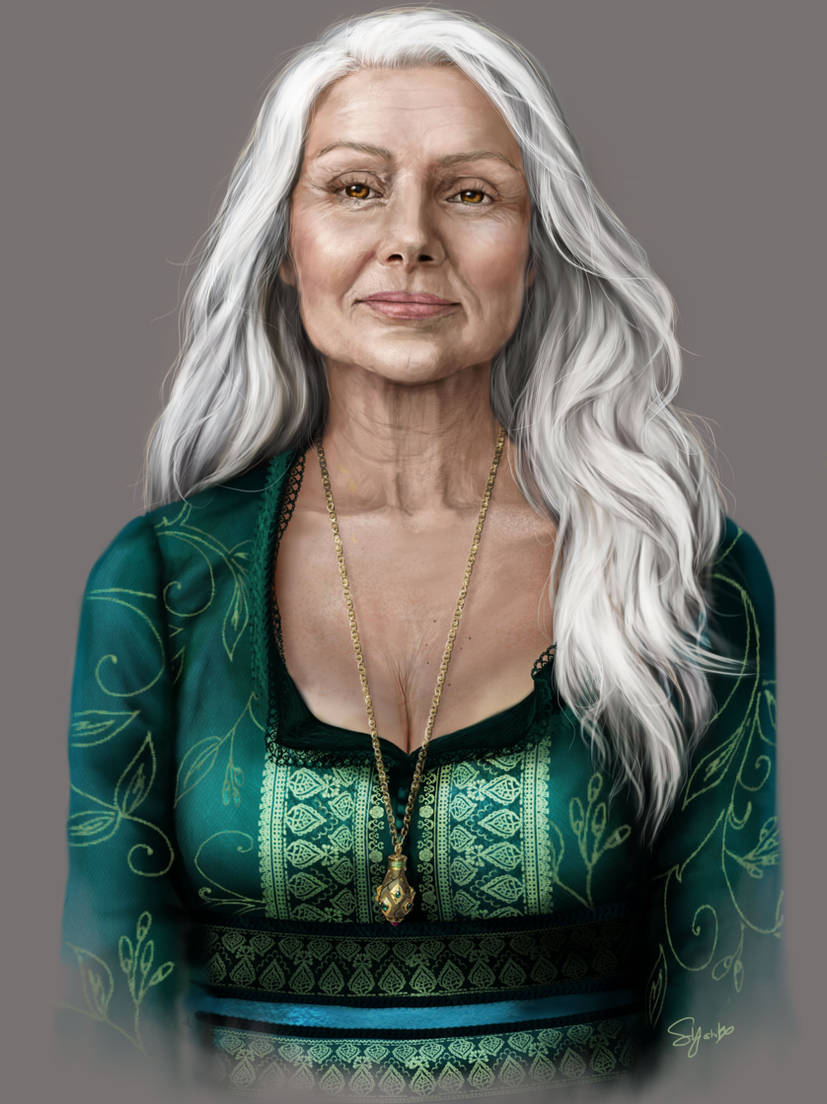
Image by SimmotoSyoshiko @deviantArt
Getting older is something we all must do—we cannot escape it. But in Western patriarchal culture, ageing comes with this sense of embarrassment or shame. We don’t talk about it, but it can seriously mess with our confidence, mood, and how we fit in or where we belong.
So, why do we feel this shame over a natural process. There’s no one simple answer, but a lot of it comes from the world around us. We’re constantly told that youth, beauty, and being busy are what matter. Wrinkles, grey hair, and a slower pace? They’re seen as problems to hide or fix. Ads and social media flood us with images of perfect, young faces and “anti-ageing” solutions. The message: getting older means losing value, fading away, and not measuring up. For aging women, the feeling of being invisible arrives around menopause and continues through the aging process.
This stuff gets into our heads early. Kids pick up on the idea that being old isn’t cool, and by the time we’re adults, many of us are already dreading or hiding the changes we see. Admitting our real age or talking honestly about it can feel scary or awkward.
Being ashamed of getting older shows up in all sorts of ways. You might notice:
- Hiding Your Age: Some people go all out—cosmetic work, hair dye, avoiding birthdays—just to avoid looking or seeming “old.”
- Pulling Back from Others: Maybe we stop hanging out with younger friends or just feel like we don’t belong anywhere anymore.
- Beating ourselves Up: Negative thoughts about our looks, our skills, or our place in the world can creep in, chipping away at how we see ourselves.
- Work Struggles: As we age our chances of getting a new job lessen, promotions are few and few and between and keeping up with the long hour culture is harder.
Shame is powerful. If we don’t face it, it can lead to feeling anxious, down, or alone, and even affect our physical health. Shame creates anger, anxiety, dread and a fear of being exposed as “too old”. When society treats age as a flaw, it’s hard to ask for support or try new things. It’s a recipe for feeling more invisible or left out.
In Greek, Native American and Korean (and many more) cultures, the elders are treated as wise and experienced. In our culture, we undervalue older people, we miss out on their wisdom and experience. It also makes ageism worse, breaking down connections between generations.
We can all do something about this, on our own or together. Here are a few ideas:
- Question What We’ve Learned: Think about where our ideas about ageing come from, and let’s not be afraid to call out stereotypes we see in life or in the media.
- Celebrate Getting Older: Share stories about awesome things older folks have done. Be proud of milestones—we’ve earned them!
- Connect Across Ages: Talk to people of all ages and learn from each other. Every age has something valuable to offer.
- Be Kind to Yourself: Treat yourself with patience as you age. Every grey hair and laugh line show a life well-lived. We should not feel shame as our body ages and cannot do what it did before, but celebrate what it can do.
- Stand Up for Change: Support causes and policies that fight age discrimination and help everyone feel included, at work, in healthcare, and in the community.
Ageing isn’t something to be ashamed of—it’s just part of being alive. When we talk about the awkwardness and shame that can come with it, we take away its power. Let’s celebrate our aging, share our knowledge, be bold and be seen and really rejoice on our birthdays.