
Recent Posts
Mindfulness in Carlton and Nottingham: Finding Calm in a Busy World
I use mindfulness in my practice, it’s a valuable tool for me and my client to find ways to manage stress, understand emotions and become kinder to ourselves.
October 17, 2026, 11:53 am
What Is Relational Therapy?
Relationships are an important part of being human. The way we connect with other people can influence how we see ourselves, how we respond to situations, how we regulate our nervous system and how we cope when life feels difficult.
...October 5, 2026, 4:22 pm
Managing University Anxiety: A Student’s Guide to Mental Health Support in Nottingham
Starting university in Nottingham can be an exciting new life. Whether you’re studying at the University of Nottingham, Nottingham Trent University,
September 17, 2026, 11:51 am
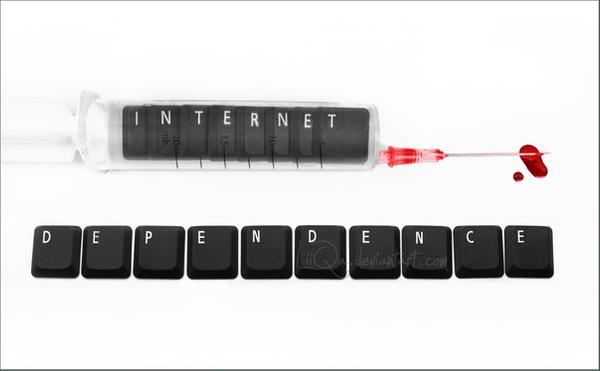
We all love to receive a notification or two from our smart phone or Facebook as it makes us feel like we are connected to others. Browsing through apps and other people’s photographs makes us feel like we have an attachment to people or places or that we are vicariously part of events. But what is this doing to our mental health?
Andy Puddicombe put this in a way that resonates with me “It is not what technology does to us; it is what we do to technology. Used skilfully, it can enhance our lives beyond our wildest imagination. Used unskilfully, it can leave us feeling lonely, isolated, agitated and overwhelmed”
Why does technology make us feel both good and bad? The average person incredibly unlocks their phone over 80 times a day. Do you open up anything else 80 times a day?
As human beings we need to be connected to others and have attachments. Attachments start when we are born, with our mums or primary care givers and once we realise we are not part of them we attach to that caregiving figure. It’s how we survive and develop in our very early years. If you think of where you hold your smart phone and then think of the distance at which you would hold a new born baby – it’s the same - we are attaching to our phones in the same way we do to our children.
So when we attach to technology we get an instant response/gratification to an object that tolerates us doing whatever we want on it. For some people this is fine and they can define the difference between a real attachment and a virtual one, because they have made secure attachments in their lives as a child. But, for others the affects can be life changing – anxiety, depression, self-harm, suicide, isolation etc.
No one ever dies on the internet, so the grief process which requires us to withdraw and reconnect with life is prolonged, and the reminders will continue when we log on to cyber space.
Our identity gets embroiled in the internet, we need the ‘likes’, we only exist if someone else sees it and we only feel real if it’s on the internet (the selfie-culture!).
We become more narcissistic (who hasn’t googled themselves or changed profile photos as the next one makes us look better).
How do we know if we have an issue?
- We spend too much time with technology, more than we do with others
- We lie about how long we spend on Facebook or Instagram
- There is a feeling of compulsion to check our Smartphone if it doesn’t ping for a while or check every notification.
- Self-esteem becomes dependant on likes, comments or other cyber space ‘strokes’
So what can we do? Getting rid of our smart-phones and technology isn’t the answer as it is part of our everyday life. It’ about putting technology back to a tool we use not a life we lead..
- Don’t use your phone as an alarm clock; it gives us access to the outside world and others without giving us time to concentrate on our own well-being.
- Turn it off, go to airplane mode or silent at least 1.5 hours before you go to sleep, the light from the screen sets off melatonin production in the brain that controls and wake and sleep function, so we need to normalise it before we try to sleep..
- Disable email on your phone, do you need to check everyone that comes in?
- Find things to do that aren’t internet based – read a book, go running or walking
This website is good for helping parents understand what apps our children are using - http://parentinfo.org/articles/apps-and-social-media/all
This one helps parents understand the dangers on the internet - https://www.thinkuknow.co.uk/parents/
Picture credit – Liiqa – Deviant Art