
Recent Posts
Mindfulness in Carlton and Nottingham: Finding Calm in a Busy World
I use mindfulness in my practice, it’s a valuable tool for me and my client to find ways to manage stress, understand emotions and become kinder to ourselves.
October 17, 2026, 11:53 am
What Is Relational Therapy?
Relationships are an important part of being human. The way we connect with other people can influence how we see ourselves, how we respond to situations, how we regulate our nervous system and how we cope when life feels difficult.
...October 5, 2026, 4:22 pm
Managing University Anxiety: A Student’s Guide to Mental Health Support in Nottingham
Starting university in Nottingham can be an exciting new life. Whether you’re studying at the University of Nottingham, Nottingham Trent University,
September 17, 2026, 11:51 am
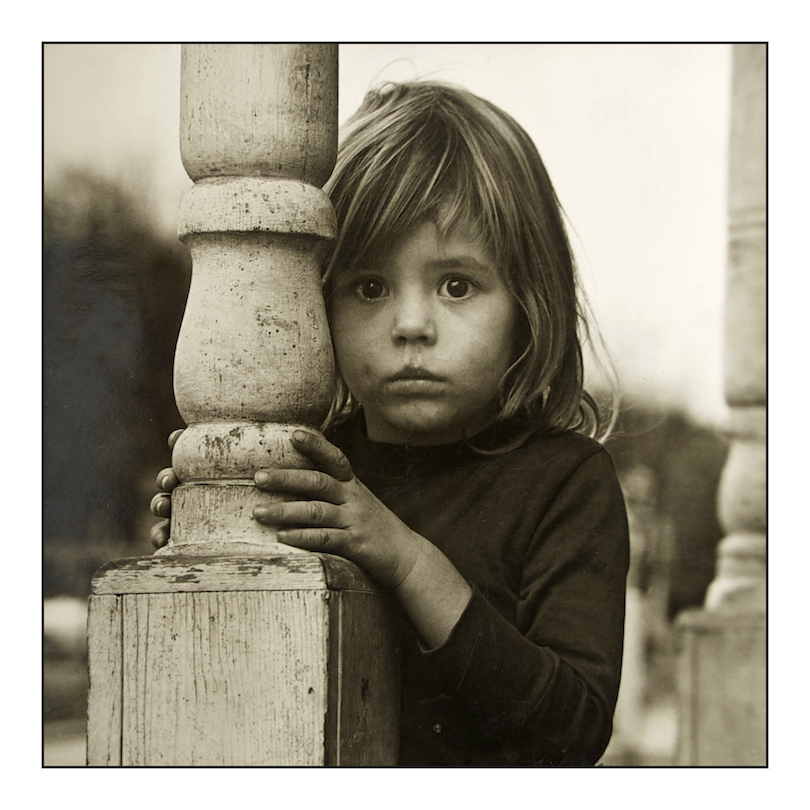
Picture credit Harriet's Friend - Deviant Art
We constantly hear about looking after our inner child, or letting it out to play, but just who or what is the inner child? Firstly, it does really exist its a part of us that remains in a childlike state. That is not a bad thing because our inner child helps to play, or be a bit rebellious when it is the right time to do so and we all know that a good laugh makes us feel better.
Many relationship issues, emotional and behavioral problems can start in childhood. The more trauma or issues we experience the more hurt and wounded that inner child becomes. The more pain our inner child holds, the more we react based on those experiences and then we ignore it, bury it, or fear the hurt.
For some, acknowledging the inner child is too hard, and accepting the responsibility for the actions caused by the inner child is too painful. So, the inner child is neglected, denied, insulted, and rejected, but ironically for those who choose this path will not have fully developed into adulthood.
For some of us, a five-year-old child is in charge of the emotional responses of a forty-year-old adult. It’s a hurt, angry child making life-changing decisions, having intimate relationships, holding a job, and even driving the car. When we wonder why we are scared, anxious, our relationships are falling apart, we are unable to commit, or are lonely or feeling lost, it’s our inner child who is running the show for us.
The inner child can be broken down further into different experiences and learnings we had as a child. The adapted child is the part of us that was taught how to behave and what would help us to thrive or even survive at home and be the child the adult in our lives wanted. This can be the quiet well-behaved child, the little adult, the hysterical child (to get attention good or bad) or even the sick child (to get some love and warmth
Then there is the rebellious child who is formed as a response to strict parenting or overly intrusive parents. It usually forms in the teenage years and we all remember coming home late, outrageous clothes, and music that our parents hated. My rebellious child still dyes my hair!
There is the free child who is naturally curious, and the part that loves to try something new, the playful part, the innocent and trusting part of us. The inner child is spontaneous, fun-loving and the part of us that falls in love.
So it’s easy to see people around us who have an inner child in charge most of the time – the sulks, the tantrums, the anxious, the quiet and dutiful, the fearful, the reckless, and of course the irresponsible devil may care people.
There are somethings that will help us heal our inner child, once we acknowledge their existence, no matter what we all have one!
Tell that part of you
– I love you just the way you are – you do not need to achieve things or be successful to be loved, you don’t earn love you are loveable right now, right here.
- You didn’t deserve this – whatever happened you were a child, you didn’t do anything to make things happen, you were innocent and pure. A child does not deserve to be abused or shamed.
- I forgive you – you were not responsible for your parents or other’s actions; you did not make things happen to others or yourself – see above you were a child.
- You did your best – you did what you could when you could but you were powerless to change the outcome, you were, and you remain, good enough.
Once we have started to acknowledge the inner child’s existence, we can start to hear what they need. Telling our inner child daily positive things helps make that connection, and then take time out when we are feeling anxious or sulking to ask what the inner child needs. We then give it them, let them cry; reassure them that we will be alongside either to speak up on their behalf or to support them when they speak up. We need to make sure the inner child knows they are safe with us, can trust us, is now welcome and is not now expected to be in charge
Find something to symbolize your inner child, such as a photograph or a toy, and display it proudly in your living space. This will make that part of us feel wanted and accepted.
This is a healing process and will take time to complete, be patient with the inner child as you would do with a real child. Maintain the connection daily, it will feel odd to start with but then becomes a habit.
There is an excellent book about the inner child by John Bradshaw that will help you work through the issues, connect with the inner child and heal. - https://www.amazon.co.uk/Home-Coming-Reclaiming-Championing-Inner/dp/0749910542/ref=sr_1_3?ie=UTF8&qid=1507713129&sr=8-3&keywords=john+bradshaw